Priority
The Definition of Self-Care
Self-care is nourishing and rejuvenating. It improves overall energy, clarity and health. It nurtures the whole person, physically, mentally, socially and spiritually. It is not avoidance or numbing to feel better in the present, but compassionate care of the self in the present to maintain or improve health in the future.
If you have committed the time and resources toward becoming a helper, then you know how to prioritize. You chose to invest in a degree instead of backpacking Europe. You chose to study instead of socializing with friends. You chose to finish a stressful slew of assignments instead of reading your favorite author’s new book. That does not mean that you will not backpack in Europe, socialize with friends, or spend a relaxing evening reading, but it does mean that during that time, you chose one good activity over another good activity. After a day of seeing back to back clients, you have many choices, and you likely need a lot of them. You need to eat, drink, sleep, relax, do some personal development, pursue your hobby, interact with people you love, have alone time, talk to your friends, know what is happening in pop culture or the political scene, shop for groceries, and more. Since it is impossible to do them all at the same time, you have to prioritize. The challenge is prioritizing self- care when it feels indulgent and selfish.
What Is Self-Care?
Before we talk about how to overcome the obstacles to self-care, first we need to determine what it is. Many of us have an image of bubble baths and candles after an 18-mile run, and while those things might be self-care, they also might be just the opposite. If you are hiding in the bathtub to avoid a conflict with your partner, spent $150 dollars on candles when your car is about to be repossessed, or chastise yourself with every step you run, then what could be soothing and energizing is not. Therefore, we define self-care not by the activity, but by the result.
A self-care activity reduces stress and increases health in one or more of four domains: physical, mental, social or spiritual. In my observation, the most successful self-care activities, the ones that become habits, are activities that combine multiple domains, are flexible, and include a friend (or pet). You are probably painfully aware of the areas that need the most self-care, but do not overlook the things you are already doing that are nourishing and rejuvenating. Self-care should feel good, not always be focused on weaknesses.
Neff (2015) has written extensively about the concept of self-compassion, and it is integral in self-care. One of the most nourishing and healthy things you can do that will have a domino effect in all domains of self-care is to develop compassionate self-talk. When internal dialogue is critical and harsh, it dampens the benefits of healthy activities. Do you talk to yourself with unconditional positive regard? You are valuable with inherent worth, just as your clients are! You deserve kindness and gentleness, especially from yourself.
If you are interested in learning how to develop a comprehensive self- care plan, you can read How to Create a Wellness Plan That Works to walk you through 100 days to create a personalized plan (Thomas, 2019). Below is a short summary of the seven parts (see also Figure 15.1).
Maintenance &■ Prevention: This is the foundation of a healthy wellness plan and the first area to address. These are the basics needed consistently (probably daily) to maintain wellness in all domains.
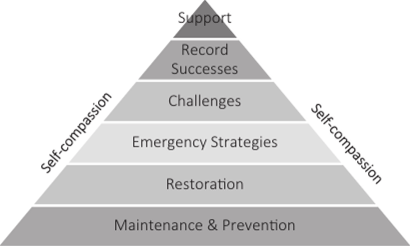
Figure 15.1 Seven Parts of a Wellness Plan
Restoration: You can often predict when stress will increase. That means you can also plan recovery from those stressful times as part of your wellness plan.
Emergency Strategies: While you cannot always plan when you may have an emotionally heavy client or an upsetting email, you can plan that unanticipated stressors will happen. Having a stash of quick, easy to implement strategies helps.
Challenges: Knowing yourself and understanding your own unique personal, perceptual and professional challenges helps you fortify those areas.
Record Successes: Keeping a record of how the work you do makes a difference provides a resource to review and remind you of your positive impact on others. Memory is not sufficient.
Support: By intentionally creating a small, supportive community of others who can mentor, challenge and encourage you, you add collegial, professional support for your wellness.
Self-compassion: The most nourishing wellness plans are surrounded by selfcompassion. Guilt, shame and remorse over not doing the healthy things you “should” be doing undermines your health. Self-compassion counters the criticism from yourself and others and allows your plan to be more restorative.

