Information, democracy and conflict
The Washington Post slogan “democracy dies in darkness” suggests that a lack of quality information can detract from civic engagement in political decisionmaking. There is wide agreement that functioning participatory democracies require an informed populace. Most studies also find a clear relationship between democracy and peace; there is evidence that peace reinforces democracy and democracy supports peace (Hegre 2014). The concept of peace, here, refers to a lack of both structural and direct violence and to social cohesion, including positive relationships and cooperation between identity groups and trust in public institutions. Figure 2.1 illustrates the reinforcing dynamic between factual information, democracy and peace.
Disinformation, authoritarianism and violent conflict also reinforce each other. Authoritarian regimes notoriously control the media and rely on false propaganda to prop up a facade of legitimacy. Under authoritarian regimes, citizens have little input into decisions that impact their lives. Conflicts within societies led by authoritarian regimes are more deadly and involve more violent repression (Hegre 2014). Violent conflict is the ultimate expression of political polarisation (Esteban and Schneider 2008). Figure 2.2 illustrates the relationship between disinformation, authoritarianism and violent conflict.
Drawing on examples from this book’s case studies, this chapter reviews the literature offering evidence of social media’s impacts on democracy and conflict. The first section of this chapter addresses how information spread on social media impacts social cohesion and democracy, both positively and negatively. The second section of the chapter explores the impact of social media information on a spectrum of forms of conflict and polarisation.
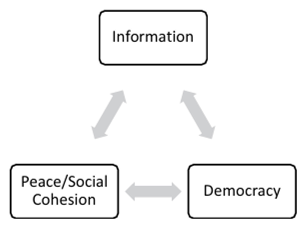
Figure 2.1 Information, Conflict and Democracy
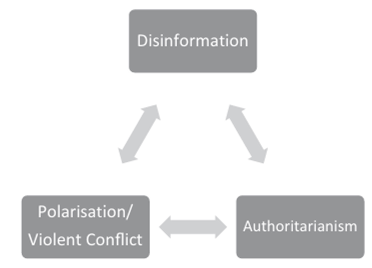
Figure 2.2 Disinformation, Violent Conflict and Authoritarianism
The chapter offers a conceptual framework for exploring a spectrum of types and levels of information, democracy and peace/conflict, captured in Table 2.1. Information quality relates to levels of democratic engagement, and to how intergroup conflicts are addressed. The design and algorithms of key social media platforms seems to amplify false and misleading information, and this seems to have an effect of undermining democracy and increasing polarisation and the threat of violent conflict. The bottom of this table describes the normative goals of robust news media, including participatory direct democracy with protections for cultural pluralism, freedoms of speech, rights to protest, etc; and conflict expressed as issues that can be addressed, not as emotional or institutional discrimination against other groups.

