Short-Term Nutrition Strategies to Maximise Event-Day Performance
Justin D. Roberts and Matthew Cole
Highlights
- • Carbohydrate loading (8-12 g-kg body mass 1 day ') in the 48 hours prior to a (ultra-) marathon, in-event carbohydrate intake every 15-20 min (~30-90 g of carbohydrate per hour, <8% concentration) and ‘drinking to thirst’ (~450-750 mL-hour-1) are all strategies that will likely support performance in events lasting >90 min.
- • Nutritional ergogenic aids should not be used by runners as a replacement to sound dietary intake of nutrients, and any supplement deemed appropriate for use by a runner should preferably carry the ‘Informed Sport’ logo.
- • A caffeine intake of 2-6 mgkg body mass-1 consumed approximately 1 hour prior to exercise may enhance endurance performance.
- • Sodium bicarbonate supplementation of between 0.2 and 0.4 g-kg body mass-1 taken 60-150 min (split into small doses to avoid gastrointestinal disturbances) prior to high- intensity (middle-distance) exercise may improve performance.
- • Daily beta alanine consumption of~65 mg kg body mass-1 over a period of 10-12 weeks has been shown to improve high-intensity running performance.
- • Beetroot juice is a natural source of dietary nitrate with acute pre-exercise ingestion (~2—3 hours before exercise) of 5-9 mmol, or 8.4 mmol for prolonged periods (6 to 15 days), required to improve exercise performance.
Introduction
Running is an energetically demanding activity, and several important bioenergetic processes are likely causes of fatigue in middle- (800 m—3 km) and long-distance (5 km upwards) events. As discussed in Chapter 4, middle-distance performances derive their energy from both anaerobic and aerobic metabolism, whereas long-distance events rely almost exclusively on aerobic energy pathways to fuel performance. The anaerobic contribution to energy production is ~30-40% and ~15-30% for the 800 m and 1500 m events respectively (Spencer and Gastin, 2001; Duffield et al., 2005). A high reliance on the anaerobic glycolytic energy pathway in these events is associated with the accumulation of metabolites and a more acidic environment in the muscle that causes rapid fatigue (Allen et al., 2008). Nutritional strategies that promote a more alkaline environment and buffering of metabolites may therefore provide an avenue for improving performance during middle-distance running events.
Almost all the energy production for long-distance running events takes place in the mitochondria of working muscles, which requires an adequate delivery of oxygen and availability of carbohydrate and fat fuels. At fast running speeds (i.e. 10 km race speed and faster), glycogen (carbohydrate broken down) is virtually the sole source of energy; however, at lower intensities of exercise (typical for a recreational marathoner or ultra-distance event), a mixture of carbohydrate and fat is used. Pre- and in-event nutritional strategies that encourage mitochondrial respiration, alter the absorption of fuels into muscles, and that provide a more plentiful supply of energy to sustain running speed therefore have utility in improving endurance performance. Following on from Chapter 4, the aims of this chapter are threefold. Firstly, the chapter will outline how specific pre- and in-event carbohydrate fuelling and hydration approaches can help maximise performance in long-distance running events. Secondly, the chapter examines the potential role of nutritional ergogenic aids in optimising running performance in middle- and long-distance running events with consideration of potential risks and side effects associated with consumption of these supplements. Thirdly, based upon the evidence presented for specific short-term nutritional strategies, recommendations are provided for event/race day preparation.
Pre- and In-Event Nutrition
The nutritional requirements of runners preparing for, and participating in, events of different duration can vary enormously. For example, the nutritional and training demands of a middle-distance runner will be considerably different to a half- or full-marathon distance runner where exercise duration influences caloric and glycogen requirements. The nutritional considerations for a single or multiple-stage ultra-endurance runner may also need to account for metabolic efficiency, immune/inflammatory support, and individual gastrointestinal tolerance. As such, nutritional considerations for distance running events should be undertaken in a personalised and periodised manner as stated previously, in line with the training demands of the runner (Jeukendrup, 2017a).
Consideration to in-event strategies is also warranted, particularly with regards to longer duration sessions or events. Early research demonstrated the correlation between pre-event glycogen stores and exercise duration, which may be particularly relevant when repeated days of training, or event duration, are considered (Costill et al., 1971; Costill and Miller, 1980). Whilst rate of glycogen use is predominantly accelerated with exercise intensity (i.e. as intensity exceeds ~60% F02lmx, glycogen utilization increases exponentially), exercise duration plays a crucial role, considering total glycogen stores are relatively limited. Therefore, in-event nutritional strategies should begin with the pre-training/event period, especially when exercise duration (>60 min) or individual performance is considered. This also has a bearing on pre-event readiness for the runner, including hydration status and offsetting potential gastrointestinal issues in-event.
Carbohydrate Loading and Pre-Event Meals
Classical carbohydrate loading strategies (~7 days prior to event) highlight the importance of high carbohydrate intake coupled with reduced training load (Williams and Lamb, 2008).
For marathon running performance, various mixed carbohydrate loading strategies have been reported, which typically involve an increase in carbohydrate intake 3-6 days prior to an event (Sherman et al., 1981; Hargreaves et al., 2004). Acute carbohydrate loading (in the 2 days prior to event) achieving 8-12 g-kg 1 -day 1 may be a useful strategy to maximise, or ‘supercompensate’, glycogen stores prior to events lasting >90 min without the need for longer-term loading approaches (Thomas et al., 2016). For some individuals, particularly in long-duration events, this could positively impact on performance by 2-3% (Hawley et al., 1997; Jeukendrup et al., 2005).
For runners consuming moderately high carbohydrate intakes in their diet prior to an event, a further increase in carbohydrate may not be necessarily beneficial. This is especially the case if a runner is susceptible to in-race gastrointestinal distress, and when pre-event meal planning and in-race fuelling strategies are also considered (Burke et al., 2000; Burke et al., 2011). The key point is to ensure glycogen stores are replenished prior to long-duration running, i.e. half/full marathon distance. Where in-race glycogen depletion is less likely (i.e. 10 km events and shorter), loading strategies are of less importance (assuming adequate initial levels of carbohydrate).
Current guidelines indicate that to maximise long-distance (i.e. marathon) performance, pre-event meal planning should aim for a broad 1-4 g-kg 1 carbohydrate to support glycogen lost during overnight fasting (Burke et al., 2011; Vitale and Getzin, 2019). Larger amounts of carbohydrate (up to 4 g-kg4) should be consumed 3-4 hours from the start of an event, with smaller volumes (e.g. 1-2 g-kg-1, typically liquid or easily digestible foods) within 2 hours of the event.
Mouth Rinsing
For events < 1 hour, or indeed where runners struggle with long distance in-event gastrointestinal issues, whilst carbohydrate ingestion may not be overly required, the use of carbohydrate mouth rinsing has been suggested as a beneficial strategy (Silva et al., 2013). Mouth rinsing involves swilling a carbohydrate drink around the mouth for 5-10 sec and subsequently spitting it out without swallowing any of the solution. By stimulating taste receptors, it has been proposed that the consequential effect on the central nervous system may positively influence the perception of fatigue, leading to improved performance. Whilst the majority of studies have demonstrated performance benefits in controlled studies with cyclists (Carter et al., 2004), Rollo et al. (2008) have shown that mouth rinsing using a 6% carbohydrate solution compared to placebo favourably influenced self-selected running pace and total distance covered in a 30 min treadmill test. Additionally, Rollo et al. (2011) have also indicated that mouth rinsing (6.4% carbohydrate solution) and ingestion every 15 min can subtly increase distance covered in a 1 -hour time trial compared to placebo. A recent review on this area concluded that mouth rinsing could offer a ~2-3% performance effect for short duration bouts (<1 hour) of exercise at moderate to high intensity (>70% R02max, Silva et al., 2013).
In-Event Energy Demands and Carbohydrate Requirements
As endurance running events increase in distance, caloric requirements increase, and therefore energy' typically needs to be replaced during the event. For events exceeding ~4 hours (i.e. marathon and ultra-distance), a careful balance between intake and gastrointestinal tolerance is needed, particularly in more sensitive individuals. It is apparent that race finishers (particularly faster finishers) tend to ingest higher calories/carbohydrate/fluid/electrolytes compared to slow or non-finishers, particularly in ultra-distance events (Glace et al., 2002; Martinez et al., 2018). Some field studies have reported caloric intakes ~180 kcal hour-1 (Martinez et al., 2018) for marathon distance events (equivalent to ~2 gels per hour), with recommendations for ~150-400 kcal-hour 1 for longer-distance events (Tiller et al., 2019) from mixed energy sources.
Whilst mouth rinsing may be effective during shorter-distance events, sustained endurance running (>90 min) will likely require additional carbohydrate ingestion (even when fat metabolism adaptations have been prioritised during training). This is nicely summarised by Burke et al. (2011), indicating that for events lasting 1-2.5 hours, ~30-60 g of carbohydrate per hour (<8% concentration) may optimise energy' delivery without undue gastrointestinal ‘overload’. Over longer-duration events, a steady provision of easily digestible carbohydrate may help maintain plasma glucose, as well as a sustained use of carbohydrate for energy (and pace maintenance). However, preference is not solely focused on sports drinks, and runners should find a refuelling plan that suits their individual goals including hydration needs and gut comfort based upon various energy sources (Burke et al., 2011). This provides considerable flexibility for the runner, but also indicates the need for regular ‘trial and error’ during training to establish a personalised approach which may involve a combination of drinks, gels and solid foods (e.g. energy' bars, chews, soft fruit). As an example, a typical commercial gel provides ~20—25 g carbohydrate, therefore consuming ~2 gels per hour would generally meet published recommendations, although additional fluid intake is also recommended. Consideration to ingestion timing is also warranted based on individual requirements with the recommendation that regular consumption every 15-20 min may support optimal delivery.
For events lasting >2.5 hours, carbohydrate doses up to 90 g-hour-1 are recommended to sustain carbohydrate oxidation rates, although individual tolerance/training experience may influence this upper level; and prior ‘nutritional training’ is recommended (Jeukendrup, 2014). Numerous studies demonstrate beneficial effects of‘multiple transportable carbohydrates’ (MTCs) for optimal carbohydrate delivery, with the indication that ingestion rates of ~1.5 g-min 1 or 90 g'hour 1 may likely be an upper threshold (Jeukendrup, 2013). By providing mixed sugars (e.g. glucose and fructose, or maltodextrins with added fructose, approximately in a 2:1 ratio) that require different intestinal transporters, the evidence highlights that exogenous carbohydrate oxidation rates are greater compared to single sugar (glucose) use, and may be better tolerated in terms of gastrointestinal symptoms (Jentjens et al., 2004; Jen- tjens and Jeukendrup, 2005; Jentjens et al., 2006; Rowlands et al., 2012; Roberts et al., 2014). The use of MTCs may also favour water absorption compared to glucose only, with studies supporting their use in overall power output and performance (Currell and Jeukendrup, 2008; Jeukendrup and Moseley, 2010; Rowlands et al., 2012; Roberts et al., 2014), although studies specific to running are limited (Lee et al., 2014). The inclusion of caffeine with sports drinks has also been shown to enhance exogenous glucose oxidation rates (Yeo et al., 2005), increasing carbohydrate availability' for exercise (however, research specific to endurance running is warranted). It is important to note that environmental considerations on race day are also relevant. Hydration may become a more important factor during sustained heat exposure, and carbohydrate oxidation rates may be reduced. As such, during hotter conditions, carbohydrate intake should be moderated to reflect this.
In-Event Gastrointestinal Issues
Runners often cite gastrointestinal issues as a common reason for reduced race effort or noncompletion (de Oliveira et al., 2014). Prevalence rates vary from a moderate 30-50% of athletes, to over >90% of athletes (particularly in longer-distance, ultra-distance or multi-discipline events), especially when event/environmental demands are more extreme (Jeukendrup et al., 2000; de Oliveira et al., 2014). Individual symptom severity and persistence also appear to vary between runners (suggesting a genetic component), although sustained high-intensity effort or heat exposure may exacerbate gastrointestinal symptoms (Costa et al., 2017). Nausea, bloating, gut cramps and acute diarrhoea are typically the most common symptoms, which can impact on race appetite or desire to maintain hydration practices (de Oliveira et al., 2014). One proposed mechanism is that of reduced blood flow to the gastrointestinal tract during running, which may impact on intestinal transport leading to transient gastrointestinal injury or permeability (Zuhl et al., 2014) and acute endotoxemia. It also appears that fluid restriction can impact on gastrointestinal function (Lambert et al., 2008), which may exacerbate gastrointestinal distress (Costa et al., 2017), highlighting the importance of in-race euhydration. Overconsumption of high-concentration carbohydrate solutions may also be a primary factor in gastrointestinal distress (Costa et al., 2019a, 2019b), along with (potentially unaccustomed) inclusion of in-race foods higher in fibre, fat or protein.
Whilst individualised feeding and hydration strategies should aim to meet recommended hourly delivery targets, self-management of gastrointestinal comfort and/or tolerance during races is clearly needed when gastrointestinal symptoms/severity arise. It is evident that the gut may be ‘trained’to progressive and personalised feeding approaches during training (Cox et al., 2010; Jeukendrup, 2014; Jeukendrup, 2017a, 2017b), which may be nutrient specific (e.g. higher carbohydrate loading) and facilitate reduced sensations of fullness, especially if practiced at race-pace. Several practical strategies have been recommended (see Figure 11.1, Jeukendrup, 2017b), along with exclusion, or reduction, of identified foods associated with in-race gastrointestinal distress. Furthermore, strategic inclusion of a low FODMAP (fermentable oligosaccharide, disaccharide, monosaccharide and polyol) foods in the diet may offer targeted support, particularly in runners more susceptible to irritable bowel syndrome- related symptoms (Dis et al., 2018; Wiffin et al., 2019; Gaskell and Costa, 2019). Emerging evidence highlights the potential use of probiotic strategies to reduce gastrointestinal symptom prevalence prior to an event, and in-race (Roberts et al., 2016; Pugh et al., 2019; Leite et al., 2019), which may improve performance during the latter stages of a marathon (Pugh et al., 2019). However, other findings are equivocal (Shing et al., 2014), and (along with other nutrients, e.g. glutamine, colostrum, zinc) indicate the need for further running- specific research.
Hydration and Hyponatraemia
Hydration requirements for endurance runners vary according to individual sweat rate, exercise intensity/duration, environmental heat stress and evaporative cooling processes. Studies have demonstrated that runners can lose ~1.4 L of sweat in a half-marathon, but may consume around 1.1 L of total fluid, resulting in a net loss of 0.3 L (Pereira et al., 2017). Experienced marathon runners have demonstrated body weight reductions of 0.3-1.7% in cool to warm conditions (Cheuvront et al., 2007), despite high fluid intake rates. It is clear that even mild
168 Justin D. Roberts and Matthew Cole
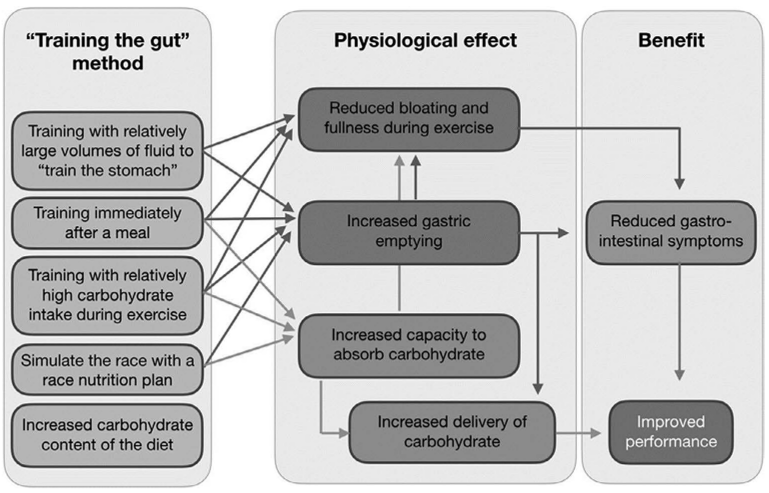
FIGURE 11.1 A summary of methods to ‘train the gut’, physiological adaptations that may occur and the affect upon performance
Source: Taken from Jeukendrup (2017b).
dehydration (~2% body mass) can impact on exercise performance (particularly in line with reduced race pace in the latter stages of an event), and that minimising or restricting fluid intake can lead to dehydration rates >3.3% (Cheuvront et ah, 2007) over marathon-distance events, which can additionally impact on gastrointestinal distress. Post-training, strategic awareness of hyper-hydration practices i.e. ~150—200% exercise-induced body mass losses (particularly with inclusion of moderate-higher dose electrolytes (e.g. sodium) for higher volume intakes) have been shown to sustain positive hydration states in the hours post-exercise (ShirrefFs et ah, 1996). This may be particularly important during training and leading into events to offset potential pre-race dehydration.
It is evident that in-race dehydration >2% body mass can impact not only on running economy but also cognitive performance, and thermal and physical effort perception (Sawka et ah, 2007). During shorter long-distance events, e.g. 10 km to half-marathon, current recommendations are to ‘drink to thirst’ (Kenefick, 2018). This approach likely minimises the risk of hypo- or hyper-hydration practices, although athletes can refine individual strategies based on basic exercise-induced fluid losses during training runs (particularly under similar conditions where possible to race day). Similar practices have been recommended for longer duration events (Costa et ah, 2019b), although environmental conditions (temperature, humidity, physical exposure) and prior acclimation processes should also be considered when aiming to refine hydration strategies. Whilst intakes vary considerably between individuals, recommendations of 450-750 mLhour-l or 150-250 mL each 20 min may support in-race hydration without undue gastrointestinal overload.
Inclusion of electrolytes (e.g. ~230-690 mg sodium-L-1) as part of hydration formulas may support adequate intestinal water absorption (Jeukendrup, 2011), and olfset dehydration during races.
One area of contention, particularly for longer race events (Montain et al., 2001) is that of hyponatraemia (or exercise-associated hyponatraemia; EAH). Over-hydration practices (consuming higher or more frequent volumes of water), high sweat rates, and/or low electrolyte consumption (Sawka et al., 2007) can lead to a relative dilution of blood sodium resulting in hyponatraemia (serum sodium <135 mmol-L'1; Hew-Butler et al., 2015), which can occur in-race or during post-race recovery. Over-hydration practices may be more applicable to slower, smaller or heavier runners (Sawka et al., 2007; Jeukendrup, 2011). Symptomatic EAH can include nausea, headaches and confusion (also associated with race duration/fatigue), which ultimately can be serious if concomitant with cerebral oedema. Whilst prevalence rates are rare, particularly for sub-marathon distances, runners should aim to consume electrolytes (e.g. 500—700 mg sodium-L 1 fluid) as part of their hydration strategy' for longer-distance sessions (American College of Sports Medicine et al., 2000). When competing in hot or humid conditions, inclusion of 300-600 mg sodium-hour-1 may be warranted (bearing in that most commercial providers fall below these levels per serving) partly to facilitate adequate hydration, and partly to maintain plasma sodium levels. However, it is important to note that whilst plasma sodium levels may be better maintained using electrolyte strategies, this does not guarantee prevention of EAH (Hoffman and Stuempfle, 2015), particularly if over-hydration practices are sustained in-race (Hew-Butler et al., 2015). Therefore, drinking to thirst, and hence avoidance of over-hydration practices, may offer appropriate strategies to minimise the likelihood of EAH (Noakes, 2002; Jeukendrup, 2011; Hoffman et al., 2013).
Nutritional Ergogenic Aids
Should a Runner Use Nutritional Ergogenic Aids?
Whilst ergogenic aids and performance-enhancing supplements can play an important role in both running training and competition, it is important to emphasise that they should be complementary to, rather than in lieu of, both high-quality training and performance diets. Thus, athletes are encouraged to focus their efforts on optimising adequate dietary intake (see Chapter 4) before seeking to consider whether any nutritional ergogenic aid can offer additional improvements in training, recovery or performance. In deciding whether or not to use an ergogenic aid, athletes and coaches should consider implementing a risk-benefit analysis to evaluate the relative weight of scientific evidence and potential performance enhancement vs. the possible risks associated with supplement use (e.g. anti-doping violation, financial costs, risk of excess consumption, etc.).
To mitigate the impact of any potential side effects on the athlete, any supplement use should be ideally trialled in a training environment before committing to use in a competition setting. Where possible, it is advisable to consult with a registered sport and exercise nutritionist (SENr) or sports nutrition professional prior to supplement use and consume products from reputable manufacturers with regular batch-testing (product packaging must carry the ‘Informed Sport’ logo). Despite widespread use by middle- and long-distance athletes, there remains very' few dietary' supplements which have been consistently been shown to be ergogenic. An International Olympic Committee consensus statement on supplement use in high-performing athletes (Maughan et al., 2018) suggests that just five supplements - creatine, caffeine, bicarbonate, beta-alanine and nitrates - are considered to have an adequate level of scientific evidence to support their use as performance-enhancing aids. Of these, the former - creatine - has limited value to middle- or long-distance runners, and thus it is beyond the scope of this chapter to discuss its use in sufficient detail.
Caffeine
Caffeine (or caffeine-like substances) has long been used by athletes in the belief that it can improve sports performance. Indeed, until 2004, the International Olympic Committee (IOC) had a tolerance limit of 12 pg-mT1 (in urine) imposed on caffeine with serious sanctions for athletes who exceeded this limit (Laurence et al., 2012). Since 2004, the tolerance limit has been lifted (due to its natural occurrence in a wide variety of foods and beverages), resulting in even more widespread use of caffeine as an ergogenic aid (Laurence et al., 2012). Indeed, Desbrow and Leveritt (2007) reported that 73% of Ironman triathletes believed that caffeine enhanced performance.
There is strong evidence that caffeine improves performance in long-distance running events, whilst evidence is lacking for an ergogenic effect during short-term/high-intensity events (Tarnopolsky, 2010). The precise mechanisms responsible for this performance benefit remain unclear, although several theories have been proposed. The long-standing belief of caffeine’s ergogenic effect was that caffeine upregulates lipolytic activity, increasing fat metabolism and thus sparing muscle glycogen as a fuel source, which is believed to be a key determinant of endurance performance. This belief stemmed from an observation of a lower respiratory exchange ratio (RER) during endurance exercise, and so the early studies proposed that caffeine increased lipolysis (and thus spared glycolysis through the Randle cycle) via increases in plasma free-fatty acid (FFA) concentrations (Costill et al., 1978; Ivy et al., 1979). Flowever, current evidence suggests that that the ergogenic properties of caffeine are most likely due to a direct effect on the body’s central nervous system (CNS) (Tarnopolsky, 2008).
Firstly, it is believed that caffeine can lower an individual’s perception of effort through its antagonistic action on the adenosine receptors in the CNS (Solinas et al., 2002). It is proposed that the action of caffeine as a competitive inhibitor to adenosine leads to increases in serotonin and dopamine neurotransmission. According to the central fatigue hypothesis, alterations in CNS serotonin neurotransmission can lead to an increase in the perception of fatigue (Newsholme et al., 1992; Davis, 1995). Thus, if following caffeine ingestion, the serotonin and dopamine levels can be increased during endurance exercise, this has the potential to improve performance. For example, if a runner’s perception of fatigue is lower, this could result in running at a faster pace for the same perceived effort.
Furthermore, it has been reported that caffeine improves performance through stimulation of the sympathetic nervous system (Nicholson et al., 1986). This could potentially improve a runner’s performance by stimulating the release of sympathetic hormones, e.g. adrenaline, noradrenaline, etc., which may result in a raised heart rate, increased glycolytic activity or attentional focus. More recently, studies have investigated the influence of caffeine and carbohydrate when ingested in combination or within a short period of each other (Cureton et al., 2007; Flulston and Jeukendrup, 2008), as this is common practice amongst many endurance runners. It is suggested that the improvements reported in these studies could be due to caffeine improving the absorption of exogenous carbohydrate into the body (Yeo et al., 2005). As absorption rate appears to be the most significant rate-limiting step for delivery of this carbohydrate source to the active muscle, suggested to be due to saturation of the sodium- dependent glucose transporter (SGLT-l;Jeukendrup, 2004), this evidence provides an alternative mechanism for the potential performance enhancing effects of caffeine. However, whilst some studies have indicated improvements in performance following the co-ingestion of caffeine and carbohydrate (Cureton et al., 2007; Hulston and Jeukendrup, 2008), others have indicated no enhancements (Jacobsen et al., 2001) or differences in carbohydrate metabolism (Ivy et al., 1979; Graham et al., 2008) compared to a placebo.
Regardless, the ergogenic potential of caffeine for distance runners is unequivocal even if the exact mechanism is still disputed. In terms of an adequate dosage for ergogenesis, a review of scientific studies involving caffeine indicates that consumption of 2-6 mg-kg-1 body mass of caffeine approximately 1 hour prior to exercise will enhance endurance performance (Tar- nopolsky, 2010). This dosage would appear optimal as additional caffeine ingestion provides no further ergogenic potential and increases the likelihood of side effects, e.g. gastrointestinal distress, muscle tremor, insomnia, etc. (Burke, 2008). Additionally, for those athletes participating in more prolonged endurance events, the consumption of a moderate dose of caffeine (<3 mg-kg-1 body mass; ~200 mg) in the latter stages of an event has been shown to combat perceptions of fatigue and aid with maintenance of pace (Talanian and Spriet, 2016). It is also worth noting that typical performance improvements are likely to be small (~l-3% for short duration events; ~3-7% for endurance-based races) and that there is large individual variability in responses to caffeine ingestion. Thus, higher/lower caffeine doses, variations in the timing of intake before and/or during exercise and the need for (or lack thereof) a caffeine withdrawal period should be trialled in training prior to competition use (Maughan et al., 2018).
Sodium Bicarbonate
One of the primary causes of fatigue, especially during high-intensity exercise (e.g. middle- distance events), is a decrease in the intra-cellular pH caused by an accumulation of hydration ions, a by-product of anaerobic glycolysis. As a consequence of this increased acidosis, there is a subsequent decrease in glycolytic enzyme activity, calcium sensitivity, and muscle force production which reduces the capacity to sustain (near-)maximal effort (McNaughton et al., 2016). The ingestion of sodium bicarbonate (NaHCO-) creates a more alkalotic environment within the blood, raising blood pH and thus increasing the hydrogen ion gradient between the blood and the muscle. This increased gradient results in greater removal of hydrogen ions from the muscle into the bloodstream, therefore mitigating the effects of hydration ion accumulation within the muscle and reducing muscle fatigue (Carr et al., 2011).
A typical a dosage of 0.3 g kg body mass-1 has been shown to provide the most ergogenic potential (McNaughton, 1992), although there is some individual variance in the most optimal dose for each athlete. Thus, a range between 0.2 and 0.4 g kg body mass-1 is often recommended, with consumption advised anywhere between 60 and 150 min prior to exercise (Carr et al., 2011). Gastro-intestinal discomfort is the most-commonly reported side effect following sodium bicarbonate ingestion, with typical symptoms including feelings of bloatedness, burping and bowel urgency/diarrhoea. These symptoms can be minimised by splitting the dose into several smaller doses over a longer period or co-ingestion with a small, high-carbohydrate meal
(~1.5 g-kg body mass'1 carbohydrates; Carr et al., 2011). Given the high prevalence of symptoms among athletes, thorough investigation into the best individualised strategy is recommended prior to use in a competition setting (Maughan et al., 2018). Performance enhancements of ~2% have regularly been reported in short-term, high-intensity efforts of ~60 seconds in duration, with reduced effects as the effort duration exceeds 10 min (Carr et al., 2011).
Beta Alanine
Carnosine is a naturally occurring protein in the muscle known to support high-intensity exercise performance by regulating intracellular pH, increasing calcium ion sensitivity, and acting as an antioxidant (Trexler et al., 2015). Within the muscle, beta-alanine and L-histidine are the precursors for carnosine production. However, substantially less beta-alanine availability makes it a rate-limiting factor for carnosine production (Lancha Junior et al., 2015). Therefore, supplementing beta-alanine has the potential to increase intramuscular carnosine levels and thus enhance muscle buffering capacity, thereby allowing higher-intensity exercise to be sustained for a prolonged period (Maughan et al., 2018).
Rather than acute intake on the day of training or completion, beta-alanine requires a more chronic consumption strategy in order to adequately increase muscle carnosine levels enough for ergogenesis. Daily consumption of~65 mg kg body mass ' over a period of 10-12 weeks has been shown to be optimal (Saunders et al., 2017). Paraesthesia, a non-harmful tingling sensation usually reported in the face and hands, is a commonly reported side effect of beta-alanine supplementation (Quesnele et al., 2014; Lancha Junior et al., 2015) although runners are advised to undertake a split dose regimen (i.e. ~0.8-1.6 g every 3-4 hours) in order to minimise the risk of these side effects. As with other ergogenic aids, performance improvements are likely small (~0.2-3%) but potentially meaningful during both continuous and intermittent exercise of 30 seconds up to 10 min.
Dietary Nitrates
Nitric oxide (NO) is free-radical gas with an involvement in many metabolic signalling and regulatory pathways associated with endurance performance. There are two known pathways by which NO is synthesised:
- 1. Endogenously, the nitric oxide synthase (NOS) dependent pathway requires oxygen and L-arginine to synthesise NO and L-citrulline, with the co-produced L-citrulline recycled back to L-arginine to continue production (Bredt, 1999; Besco et al., 2012).
- 2. The exogenous intake of inorganic dietary nitrates (NO,-) can be reduced to nitrite (NO,") independently of oxygen by anaerobic bacteria in the oral cavity, before being further reduced to NO during acidic and hypoxic conditions such as high-intensity exercise (Modin et al., 2001; Lundberg and Weitzberg, 2009).
Therefore, a nitrate-rich diet high in leafy green and root vegetables (e.g., beetroot, spinach, rocket, etc.) is expected to enhance the NOS independent pathway, thus giving rise to the popularity of concentrated vegetable extract ingestion. It is expected that enhanced NO availability can improve mitochondrial respiration, decreasing both the oxygen and energy cost of submaximal exercise and thus improving endurance performance (Jones et al., 2018). Beetroot juice is the most common source of dietary nitrate supplementation, having been used in most exercise studies (Peeling et al., 2018) owing to its ease of consumption and high concentration of dietary nitrate. Despite a growing body of evidence in recent years supporting its use as an ergogenic aid, our exact understanding of the optimal dosing strategy remains unclear.
There appears to be a dose-response relationship with moderate amounts of dietary nitrate (8.4 mmol; 140 ml) being more effective than low amounts (4.2 mmol; 70 ml); however, this appears to plateau with no increased benefit seen following consumption of larger (16.8 mmol; 280 ml) amounts (Wylie et al., 2013; Hoon et al., 2014). Additionally, Vanhatalo et al. (2010) reported similar improvements in exercise efficiency when participants consumed dietary nitrate both acutely (1 day) or chronically (over 15 days), thus suggesting that regular consumption is not required in order to elicit ergogenic effects. In general, the main body of evidence indicates that acute pre-exercise ingestion (~2—3 hours before exercise) of 5-9 mmol may be necessary to increase exercise economy; however, a larger dose of 8.4 mmol for prolonged periods (6 to 15 days) may be necessary to increase exercise tolerance, particularly in higher-level athletes where performance improvements via nitrate supplementation appear to be harder to obtain (Jones, 2014). In terms of ergogenic potential, performance improvements of 3-5% are typically observed in events lasting 12-40 min, with limited evidence supporting the use of nitrates for shorter-duration efforts.
There appear to be few known adverse effects resulting from dietary nitrate supplementation, although, as with many ergogenic aids, some athletes are more susceptible to gastro-intestinal discomfort than others. Given the paucity of research in the area, athletes are advised to investigate their own optimal dosing strategy in training prior to implementation in competition.
Application to Event/Race Day Performance
The precise pre- and in-event nutritional strategy will be dependent upon both the duration and intensity of an event and, whilst the consumption of certain ergogenic aids may be common across many events, the precise intake strategy will often differ. In addition, it is important to acknowledge that whilst a dose-response relationship exists with most ergogenic aids, ‘more’ is not necessarily ‘better’ and, on the contrary, may increase the prevalence and severity of side effects. Moreover, as previously stated, ergogenic aids should be complementary to an appropriately designed competition nutrition strategy - not an ‘easy fix’ or ‘quick win’ in the absence of optimal dietary intake. Finally, it should be emphasised that all nutritional strategies should be trialled first in training before implementation in competition. Based upon the discussion presented in this chapter and Chapter 4, Figure 11.2 shows a hypothetical example of the pre- and in-event nutritional strategies that may benefit a marathon runner. Similarly, Figure 11.3 provides a visual representation of how nutritional ergogenic aids could be used by a middle-distance track athlete prior to an event.
Summary
Short-term strategies to maximise in-event performance should be tailored to the individual and practised during training to refine personalised strategies. Evidence highlights the importance of short-term carbohydrate loading in the pre-event period (e.g. 8-12 g kg body mass-1-day-1 in the 48 hours prior) to maximise glycogen stores particularly for longer-duration
174 Justin D. Roberts and Matthew Cole

FIGURE 11.2 Pre-event (top schematic) and in-event (bottom schematic) nutritional strategies for a male 75 kg marathon runner
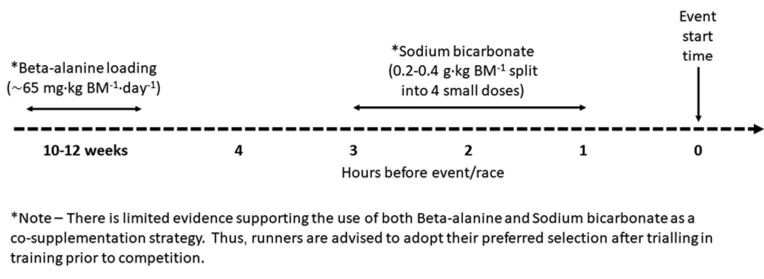
FIGURE 11.3 Pre-event nutritional ergogenic aids that could be used by a middle-distance track runner. BM = body mass
events. In-event carbohydrate intake ranging from 30 to 90 g-hour 1 pending event distance (>90 mins) and individual tolerance consumed at regular intervals is recommended as part of managing individual pacing. For sustained events, e.g. marathon distance, use of ‘multiple transportable carbohydrates’ from mixed sources are recommended as part of the fuelling strategy. Likewise, to minimise risk of dehydration, a ‘drink to thirst’ approach is recommended throughout endurance events with a view of targeting 450-750 mLhour '.
Of the plethora of nutritional ergogenic strategies that could be employed for endurance events, it is important that runners recognise that such ‘aids’ must not replace a personalised food-first approach. Only a few approaches likely offer a small-modest performance benefit and should be trialled during training to assess individual effects. Of these, caffeine (2-6 mg-kg body mass-1, taken ~1 hour pre-event, or during the latter stages of an event) and dietary nitrates (e.g. beetroot juice, 8.4 mmol for 6-15 days pre event) may support sustained endurance. In addition, sodium bicarbonate (0.2-0.4 g-kg body mass-1 taken 60-150 min in split doses pre-event) and beta-alanine (~65 mg-kg body mass-1 over a period of 10-12 weeks preevent) may support high-intensity (middle-distance) events.
12

