Interaction Between the Heart and Lungs
Fabio Guarracino and Rubia Baldassarri
Introduction
The main reason for the heart and lungs to interact physiologically is that they share the same space within the chest (Fig. 16.1), and their physiologies are both submitted to and driven by the interaction among different pressures (viz. airways, intrathoracic and intracardiac pressures).
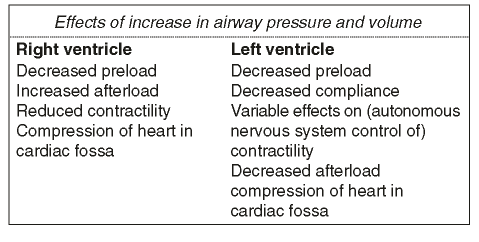
The heart and lung (H-L) interaction can be defined as the effects of airway pressure and volume on venous return, ventricular function and arterial outflow [1]. Such effects are summarised in Fig. 16.2.
H-L interactions are different in healthy and diseased conditions and between spontaneous and positive pressure ventilation.
Under normal conditions and in spontaneous ventilation, the H-L interaction is subtle. In the presence of cardiac and respiratory disease states, or when the compensatory reserve is limited, such as in critically ill patients, and under positive pressure ventilation (either invasive either non-invasive), H-L interactions are elicited, and the cardiovascular function can be affected by respiratory changes.
As ARDS (Acute Respiratory Distress Syndrome) pathology involves both alveoli and pulmonary capillaries, as reported long ago [2], it represents a typical predisposing situation for the H-L interaction to influence the circulation.
F. Guarracino (*), R. Baldassarri
Department of Anaesthesia and Critical Care Medicine, Azienda Ospedaliero Universitaria Pisana, Via Paradisa, 2, Pisa 56123, Italy e-mail: This email address is being protected from spam bots, you need Javascript enabled to view it
© Springer International Publishing Switzerland 2017 D. Chiumello (ed.), Acute Respiratory Distress Syndrome (ARDS), DOI 10.1007/978-3-319-41852-0_16
Fig. 16.1 A CT scan of human chest showing the close spatial relationship between the heart and the lungs
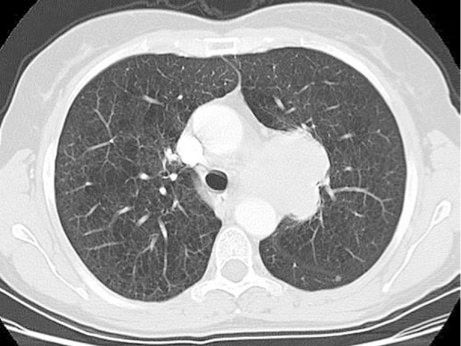
Fig. 16.2 Effects of increase in airway pressure and volume on the heart