Nicknames as tools for targeting students
Let’s return to the puzzle we started with. Why did Samuel Jung ask to be called “Samsung” on February 9, and accept the nickname on several other occasions, but then resist it on March 9? Here, we reproduce the relevant transcript from March 9, introduced earlier.
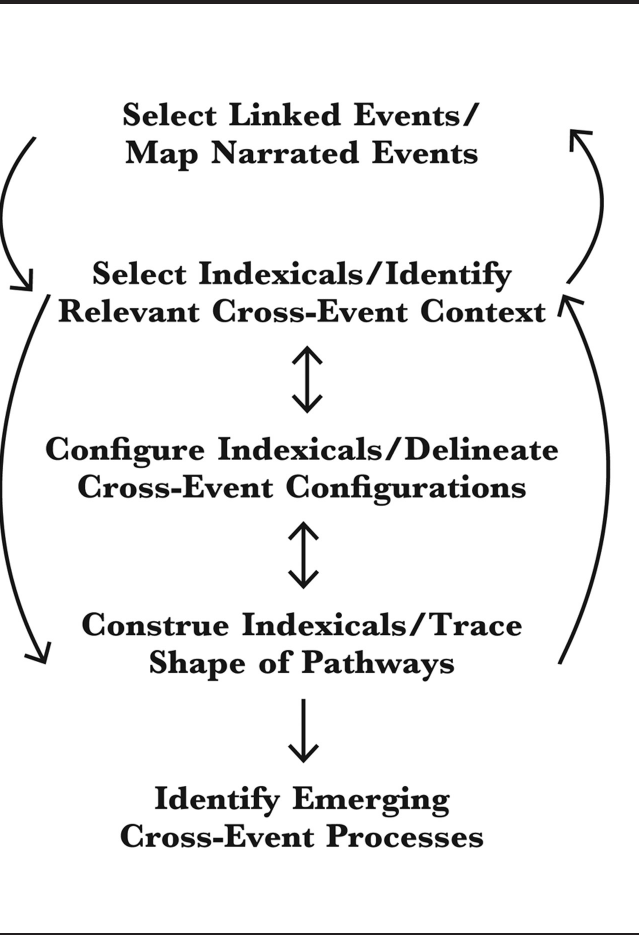
TABLE 3.8 Cross-event establishment of “Samsung” as an unremarkable nickname

|
Linked events: February 9, March 16 Narrated events: “Samsung” as nickname for Samuel Jung |
|
Samuel Jung: “Samsung” “you’re Samsung,” “I prefer Samsung” “whoo” (victory gesture), laughter |
|
|
Initial reactions marking the use of “Samsung” followed by similar uses with no reactions |
|
|
Establish “Samsung” as viable nickname Overcome teacher’s initial resistance and establish informal classroom atmosphere |
|
|
Students wear down the teacher, convincing her to use the nickname |
Segment 22: Student resists the nickname "Samsung": March 9, 2007, 4:33 pm
Mrs. Turner: yes?
Samuel Jung: from now on I’m Sam, he’s Sam P. ((referring to Sam Park))
Mrs.Turner: you’re Samsung.
Sam Park: Electronics
5 Mrs. Turner: Samsung
Sam Park: Electronics
Mrs. Turner: in your case it ((Samueljung’s sentence)) might be “help me Sam
my circuit breakers are going’’
Sam Park: Electronics
10 ((Sam Park, Chui laugh))
At line 2, Samuel explicitly calls for a new naming practice: “from now on I’m Sam, he’s Sam P.” Mrs. Turner directly refuses, asserting, “you’re Samsung.” Even though the deictics “I” and “you” suggest that this is a conversation between Samuel and Mrs. Turner, Mrs. Turner and Sam Park override Samuel and work as a team to maintain “Samsung Electronics” as Samuel Jung’s nickname. In lines 7—8, Mrs. Turner uses reported speech to position Samuel Jung in an unusual way. The hypothetical sentence she offers to Samuel, “help me Sam my circuit breakers are going,” characterizes Samuel as a faulty piece of electrical equipment. It is not yet clear what implications this might have for his position in the narrating event. Sam Park and Mrs. Turner seem to be joking, with their use of the nickname continuing the more lighthearted tone.
As we move across the trajectory oflinked events in which “Samsung” occurs, we find more jokes that have a mildly negative tone. In several interactions following March 9, Samuel Jung was absent but nonetheless became a topic of conversation. In these interactions, “Samsung” is used not to address Samuel Jung directly but, instead, to talk about him. In the first excerpt, Mrs. Turner provides an explanation for Samuel Jung’s absence.
Segment 23: "Samsung" deals with complaints: March 16, 2007, 4:18 pm
Mrs.Turner: all right, we’re still missing two people, we’re missing Samsung and Mi-
Sam Park: Electronics
Mrs. Turner: yes and Mike. Samsung probably went to Sony, that’s why he’s not
5 here today
Mark: Sony’s there to complain
In this interaction, Samuel Jung is “he,” separate from “we” (Mrs. Turner and the rest of the class). Sam Park interjects “Electronics,” in the familiar way that we have seen before, and Mrs. Turner and Mark continue the joke by mentioning another large electronics corporation and suggesting that Samsung has to deal with complaints.
About a month later, Samuel Jung was absent again.
Segment 24: "Samsung" went bankrupt: April 20, 2007, 4:22 pm
Jeff: where’s Sam Jung
Mark: Samsung went out of business
Mrs.Turner: ((laughs)) he went bankrupt
Here, Samuel Jung is jokingly referred to less as a student and more as a corporate entity, in this case, a bankrupt business. This joke is similar to the others, which cast him as a corporation that had to deal with complaints and a faulty piece of electrical equipment. In this last case, a student initiates the joke, and then Mrs. Turner laughs and contributes. By this point, she has clearly accepted the use of nicknames and allows the students to create a more informal tone in the classroom.
About a month later, Samuel Jung was absent again.
Segment 25: "Samsung" went abroad: May 18, 2007, 4:07 pm
Mark: what happened to Samsung
Min: yeah he never comes anymore
Mrs.Turner: he- he is- he went abroad to Hitachi ((laughs))
Chui: Hitachi
5 ((Mrs.Turner laughs))
Chui: Hitachi yeah
Here, Mrs. Turner accepts Mark’s use of the nickname “Samsung,” and she makes a familiar joke with the name of yet another Asian electronics corporation. Chui appreciates the joke, ratifying her contribution through repetitions and an affirmative “yeah.”
Table 3.9 represents our analysis of the linked events in March, April, and May, in which the narrated events include references to Samuel Jung as “Samsung.” All of the events include jokes, which are parallel with one another, inducing laughter by associating Samuel initially with Samsung Electronics and then with other well-known electronics corporations. They all include mildly negative characterizations. They all position Samuel Jung apart from the teacher and his classmates, as someone talked about and not with. Collectively, these events
|
March 9, March 16, April 20, May 18 Narrated events: “Samsung” as nickname for Samuel Jung |
|
“he” vs. “we” “complain,” “out of business,” “bankrupt” “help me Sam my circuit breakers are going” Uptake: “yeah,” laughter |
|
|
Parallelism across jokes, associating Samuel with electronics corporations and with negative characteristics |
|
|
Establish “Samsung” as nickname Establish informal classroom atmosphere Perhaps target Samuel, implying something negative about him |
|
|
Create solidarity between teacher and the students other than Samuel Position Samuel outside of the group Attribute negative qualities to Samuel |
accomplish several social actions. They establish Samsung as a viable nickname. They establish a more informal classroom atmosphere. They also target Samuel Jung, characterizing him as an electronic or corporate object that has more negative qualities than positive ones. He is portrayed as an entity with faulty circuit breakers, one that receives complaints, and one that has financial problems—all of which contrast with the actual Samsung, which is a prosperous corporation creating desirable technology. These negative characterizations of Samuel also contrast with his typical position in the classroom as an unusually intelligent and industrious student. The teacher and other students establish solidarity at the expense of Samuel Jung, positioning him outside of the group and making veiled criticisms of him.
A similar thing happens to Sam Park on May 18. In the following excerpt, Mrs. Turner directly asks Sam Park if he likes the nickname Sam’s Club.
Segment 26: Student resists the nickname

