THE TIME FACTOR
Completion of a TBT is like a journey that happens over time. The past, present and future possibilities of a mover seem to converge within the visual diary of the TBT. The realization of this journey is marked by one mover’s remark:
It was exciting to draw the outlines of my body at the beginning of the process, it feels like the excitement of a new trip.
The changes that become salient in the mover’s body sense over time appear as different layers on the TBT. The resulting image conveys multidimensionality, and the transforming aspects of time can be seen and noted. Some movers stated that seeing the TBT hanging on the wall throughout the movement experience helped integrate and take note of the changes that had happened in their body sense. The following reflection by a participant is an example of this sense of change over time:
Seeing my body outline while moving revived the previous stages of my work in my memory. . . . When I stopped and looked at my TBT, I reflected on where I was and where I was headed towards.
The multilayered character of the TBT allowed for past and future to be integrated with the present moment. These elements were also reflected in the writings of the movers. Many of the reflective writings about the TBTs included body memories or an aspired new sense of being in the world.
In our use of the TBT in this Creative Movement training we also asked the students to compare the TBTs they created in the first and last seminars of the training year. Many students commented on the increased sense of integration, flexibility, fluidity and the sense of grounding they noticed in their second TBT. They could also track how certain elements that appeared in the first TBT had evolved to a fuller shape in the second TBT. One participant carefully tracks these changes:
When I compared my first TBT with the last one, I noticed a significant transformation. The red color which I thought signified my life force had moved from the hands to my center. In the final TBT my body space had expanded. I noticed a widening both to my roots and to my periphery. I noticed that the lines were more circular and in spirals in the second one, which I thought expressed the strengthening of my body integration. The distinction between the outside and the inside of my body space was also more significant. It looked like my boundaries were clearer.
Some students expressed the transformation they noticed in developmental terms, “It seemed as if the first one grew older and wiser and became the second one.”
CONCLUSION
In this chapter we explain the use of full-body outline for enhancing embodiment. As a result of using the TBT in a training seminar, cataloguing the photos of the emerging figures and reading the reflection papers of the students, we have recognized that the processes for the growth of embodiment are facilitated by this tool. When the full-body outline is embedded within the improvisational movement experience, the life-size drawing process allows for an integration of the kinesthetic and the visual/symbolic modes of expression. Also life-size expression of the body sensations through use of color, line quality and intensity leads to further differentiation and definition. It creates a feedback loop where the visual information feeds into the kinesthetic experience. The quotation that follows from a mover explains how her process of moving, coloring and reflecting on those actions strengthened each of them and culminated in the deepening of her sense of being in her body. Her following description captures the circular nature of the process:
As I worked on my TBT, expressing the sensations that were evoked in me during movement carried me to the next step. The process built on itself, each step supporting and complementing the other. As the process deepened, it exposed a wound deeper inside. And through the exposure, it also opened up space for it to heal. At the end, it all became integrated both in the movement and in the drawing. Now I can feel myself move in a more fluid and clear way with my whole body.
What distinguishes the TBT is that it is a developing process where transformation in the body sense becomes evident. The resulting images have a multilayered quality and emanate a fuller sense of integration. New connections within the body and to the outside world appear on the TBTs and are evidenced by students’ reflection papers. We found that the TBT functions both as a visual embodied diary and a container for the mover’s experience. At the same time it allows them to engage in a creative, aesthetic dialogue. This chapter is based on the description of TBT in a training setting, but modifications of this methodology can also be implemented in clinical settings to stimulate, capture and reinforce the growth of embodied consciousness.
REFERENCES
Beebe, B., & Lachmann, F. M. (2014). The origins of attachment: Infant research and adult treatment. London: Routledge.
Damasio, A. (1999). The feeling of what happens: Body and mind in the making of consciousness. San Diego: Harcourt Press.
Della Cagnoletta, M. (2010). Arte Terapia: laprospetliva dinamica [Art therapy: The psychodynamic approach]. Roma: Carocci.
Di Dio, C., Ardizzi, M., Massaro, D., Di Cesare, G., Gilli, G., Marcheti, A., & Gallese, V (2016). Human, nature, dynamism: The effects of content and movement perception on brain activations during aesthetics judgment of representational paintings. Frontiers in Human Neuoscience, 9. doi:http://dx.doi.org. libproxy.newschool.edu/10.3389/fnhum.2015.00705
Fuchs, T, & Koch, S. (2014). Embodied affectivity: On moving and being moved. Frontiers in Psychology, 5(508), 1 12. doi: 10.3389/fpsyg.2014.00508
Gallese, V (2005). Embodied simulation: From neurons to phenomenal experience. Phenomenology and the Cognitive Sciences, 4, 23-48.
Gallese, V, Fadiga, L., Fogassi, L., & Rizzolatti, G. (1996). Action recognition in the premotor cortex. Brain, 119, 593-609.
Garcia, M., Plevin, I. XL, & Macagno, P. (2011 [2006]). Creative movement and dance. Rome: Gremese.
Hanich, J., Wagner, V., Shah, M., Jacobsen, T., & Menninghaus, W. (2014). Why we like to watch sad films: The pleasure of being moved in aesthetic experiences. Psychology of Aesthetics, Creativity, and the Arts, 5(21, 130-143. http://dx.doi.org/10.1037/a0035690
Heimann, K., Umilta, M. A., & Gallese, V (2013). How the motor-cortex distinguishes among letters, unknown symbols and scribbles: A high density EEG study. Neuropsychologia, 51, 2833-2840. doi: 10.1016/j. neuropsychologia.2013.07.014
Homann, K. B. (2010). Embodied concepts of neurobiology in dance/movement therapy practice. American Journal of Dance Therapy, 32(2), 80 99.
Jager, A., Tewson, A., Ludlow, B., & Boydell, K. (2016). Embodied ways of storying the self: .A systematic review of body-mapping. Forum: Qualitative Social Research, 17(2). Retrieved from http://openresearch. ocadu.ca/id/eprint/1206/
Karadayi, G. (2017). Transformational body tracings in creative movement & Dance Movement Therapy: A qualitative comparison of an educational and a psychiatric group (Unpublished master’s project). Istanbul Bilgi University, Istanbul, Turkey.
Kestenberg-Amighi, J., Loman, S., Lewis, P., & Sossin, K. XI. (1999). The meaning of movement: Developmental and clinical perspectives of the Kestenberg Movement Profile. Amsterdam: Gordon and Breach.
Knill, P., Barba, H. N., & Fuchs, M. N. (1995). Minstrels of soul: Intermodal expressive therapy. Toronto, Ontario: Palmerstone Press.
Knill, P., Levine, S., & Levine, E. (2005). Principles and practices of expressive arts therapy. London: Jessica Kingsley Publishers.
Koch, S. (2017). Arts and health: Acive factors and a theory framework of embodied aesthetics. The Arts in Psychotherapy, 54, 85-91. doi:10.1016/j.aip.2017.02.002
Koch, S., & Fuchs, T. (2011). Embodied arts therapies. 7he Arts in Psychotherapy, 38, 27& 280. doi: 10.1016/j. aip.2011.08.007
Luzzatto, P., Sereno, V, & Capps, R. (2003). A communication tool for cancer patients with pain: The art therapy technique of the body-outline. Palliative and Supportive Care, 1, 135-142. doi: 10.1017/ Si478951503030177
McnifF, S. (1992). Art as medicine. Boston, MA: Shambhala Publications.
Merleau-Ponty, M. (1962 [1945]). Phenomenology of perception. London: Routledge.
Payne, H. (2017). The psycho-neurology of embodiment with examples from authentic movement and laban movement analysis. American Journal of Dance Therapy, 39, 63-178. doi: 10.1007 /s 10465-017-9256-2
Sbriscia-Fioretti, B., Bcrchio, C., Freedberg, D., Gallese, V, & Umilta, XL A. (2013). ERP modulation during observation of abstract paintings by Franz Kline. PloS One, 5(10), e75241.
Schore, A. N. (2003). Afiect dysregulation and disorders of the self. New York, NY: W.W. Norton & Company Ltd.
Steinhardt, L. (1985). Freedom within boundaries: Bodv outline drawings in art therapy with children. 7he Arts in Psychotherapy, I2(), 25-34. http://dx.doi.org/10.1016/0197-4556(85|90005-X
Stern, D. N. (1985). The interpersonal world of the infant. New York, NY: Basic Books.
Stern, D. N. (2010). Forms of vitality: Exploring dynamic experience in psychology and the arts. Oxford: Oxford University Press.
Tschacher, W, Greenwood, S., Kirchberg, V, Wintzerith, S., van der Berg, K., & Trondle, M. (2012). Physiological correlates of aesthetic perception of artworks in a museum. Psychology of Aesthetics, Creativity, and the Arts, 6(1), 96-103. http://dx.doi.org/10.1037/a0023845
Varela, F., Thompson, E., & Rosch, E. (1991). The embodied mind. Cambridge, MA: MIT Press.
Winnicott, 1). (1965). The maturational processes and the facilitating environment: Studies in the theory of emotional development (pp. 1 276). The International Psycho-Analytical Library, Vol. 64. London: The Hogarth Press and the Institute of Psycho-Analysis.
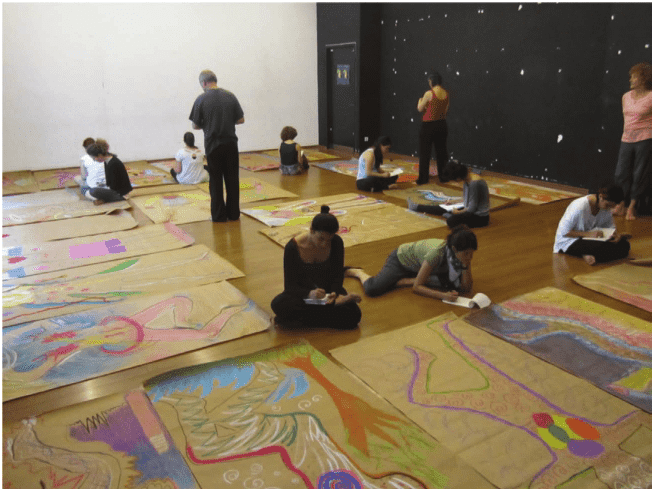
Photo 6.1 Movers doing reflective writing on their completed Transformational Body Tracings
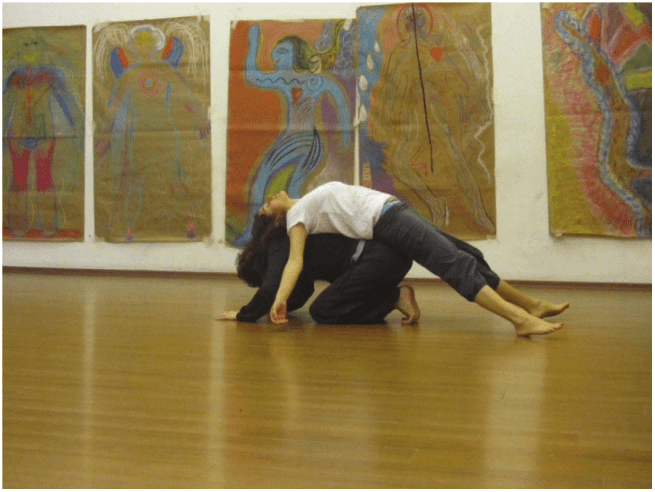
Photo 6.2 Movers in the studio surrounded by Transformational Body Tracings
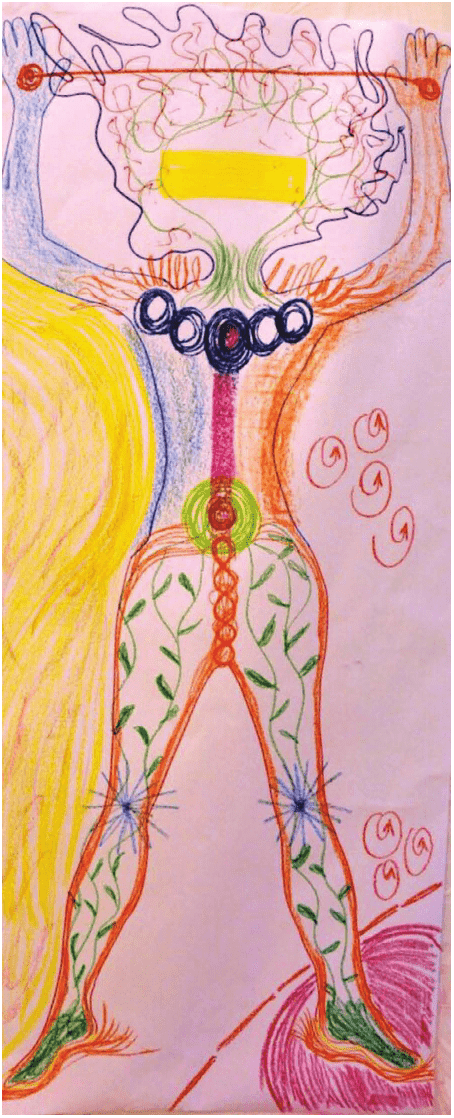
Photo 6.3 A Completed Transformational Body Tracing
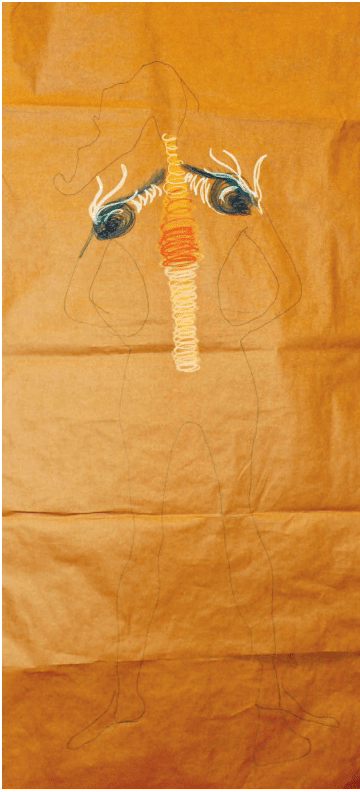
Photo 6.4 Evolution of a Transformational Body Tracing
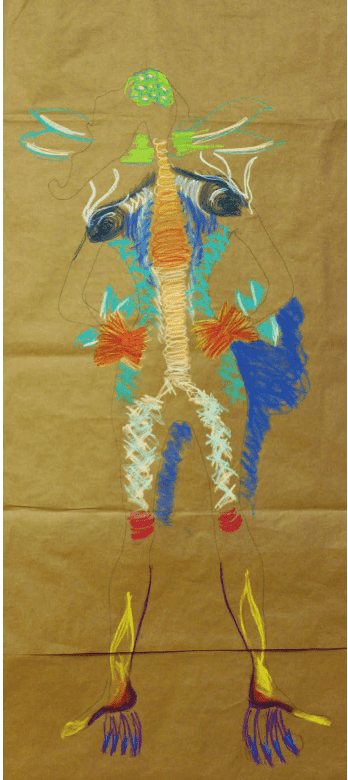
Photo 6.5 Evolution of a Transformational Body Tracing
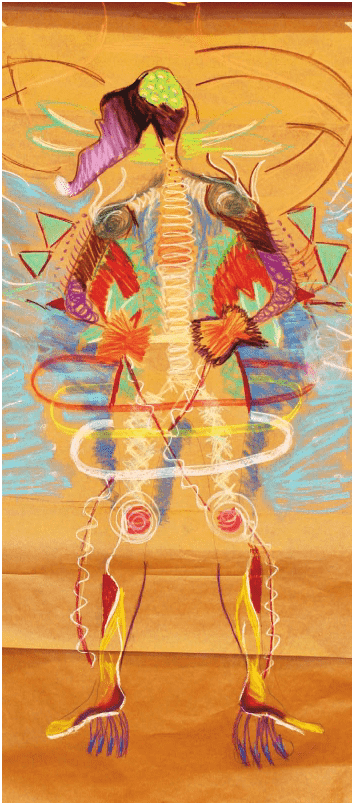
Photo 6.6 Evolution of a Transformational Body Tracing
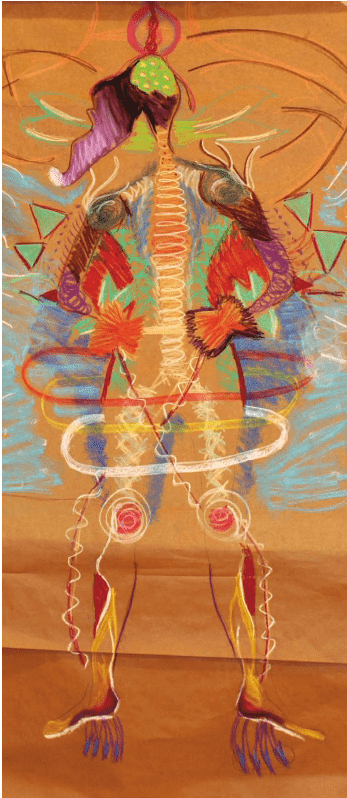
Photo 6.7 Evolution of a Transformational Body Tracing

