Initial Notification and Reporting
Depending on state or municipality, a report of animal cruelty may come in many different forms. Citizens are often unaware of how to report such cases, and very few organizations have cruelty hotlines. This is often where the first problems arise, as an untold number of cruelty cases go unreported due to a lack of knowledge of how to report them. A neighborhood resident may see dogs chained in a backyard with no food, water, or shelter, but may not know which agency, if any, to notify of the issue. Confusion surrounding to whom to report the incidents can result in delayed action and in worst-case scenarios, an animal’s death.
There may be any number of groups with the ability to intervene in cases of animal abuse or neglect depending upon location, but their roles may vary. In some areas, animal cruelty cases may be handled by local, city, or state police, many of whom are often too overburdened to take on what may be seen as a less important crime. These officers may be instructed to filter these issues on to other groups. In some large metropolitan locations, there may be a city-run animal control facility that utilizes animal control officers tasked with performing rudimentary investigations, but who have little to no formal law enforcement training and whose main job it is to remove stray or nuisance animals. In many rural areas, there may be no one specific person or group assigned to animal cases, and the terms “animal abuse" or “animal cruelty” may not carry the same importance or even a sense of obligation. Yet in other towns and cities some private, nonprofit animal rescue or sheltering groups may have the capacity to not only take in and house unwanted or abused animals but may also employ investigators or specific humane law enforcement officers to respond to complaints or incidents of animal cruelty. Indeed, many societies for the prevention of cruelty to animals (SPCAs) or humane societies, which are so named by their board of directors or governing bodies (the terms are ubiquitous and can be used by any private organization that so chooses), are recognized for their focused missions to combat animal cruelty. Their officers may be sworn law enforcement personnel whose job it is to enforce that state or municipality’s animal cruelty statutes, and they may have been given the authority to arrest those who violate the law. They may have police academy or weapons training. Their agencies may have use of force policies and they may be licensed to carry firearms. Washington, DC, Pennsylvania, California, and Massachusetts are all examples of states that have recognized HLE officers.
Whatever the agency, group, or facility, investigators or officers may be notified of a possible cruelty incident when a direct call from a citizen is made to their organization, or the police may reroute calls and complaints they receive but are unequipped to handle. Sometimes tips may come from passersby when officers in uniform are on the street investigating other reports. Marked animal emergency response or law enforcement vehicles can attract a good deal of attention and will often prompt community members to approach to ask questions or mention something they have seen. If by phone, the calls may be disseminated to officers by dispatchers based on the officers’ assigned territories. Some agencies in large urban areas have a ranking system for cruelty complaints that prioritize the calls based on an assessment of the animal’s welfare provided by the complainant, with "danger of death” being of the highest importance. Dispatchers may be trained to ask specific questions of callers to gauge the animal’s condition. Danger of death calls are typically investigated within less than 24 hours, and often require an on-call response. These types of reports can indicate an animal in distress due to weather extremes, visible suffering in the form of emaciation, active visible physical abuse or torture, animal fighting, or any other form of cruelty or neglect that places the animal’s well-being in immediate danger. These situations often necessitate the prompt removal of the animal from the situation and emergency medical care. While all reports should be investigated, it is important to have a system of some type in place to process the often overwhelming number of complaints needing to be handled by organizations with extremely limited resources and personnel in order to save the most lives. Unfortunately, many organizations do not have such a system for determining priority calls, and the calls are simply investigated as time or staffing allows.
Lower-priority reports may include those regarding hoarding situations, abandonment, or unsanitary conditions. While serious in nature, these forms of cruelty are sometimes able to be resolved without extensive investigation or court involvement. Notification of these possible cases could appear from community members who hear a dog barking inside a property that appears vacant on their block, or from neighbors who notice a foul odor of ammonia emanating from a home nearby. It is the officer’s responsibility and duty to investigate each possible case, but as is true in most aspects of law enforcement, an officer must use their own discretion and experience in deciding what actions to take to remedy the situation. The initial notification of a possible animal cruelty or neglect case may come from someone the officer routinely deals with or has dealt with in the past. This may be a repeat “alarmist” caller, or a disgruntled neighbor who is simply acting on a grudge. It may come from an offender themselves, who, having been assisted by the officer in the past, recognizes that they have a problem with keeping too many animals and receives no help from anyone but the officer—the “system” has failed them. The myriad of situations that the HLE officer can be involved in calls for extreme prudence and diplomacy (Arluke, 2004).
HLE officers can also be notified to potential abusive situations through the observations made by police or child and social welfare workers (Figure 3.2). These workers will often encounter possible animal neglect or ill-treatment in the course of investigations into other crimes. It is common for animal abuse and spousal or child abuse to occur in the same household (Lockwood & Ascione, 1998). Recognizing the signs of both are critical to stemming the cycle of escalating violence. The National Link Coalition and the National Coalition Against Domestic Violence report that “13% of intentional animal abuse cases involve domestic violence, and 71% of pet owners entering domestic violence shelters report that their batterer had threatened, injured, or killed family pets” (nationallinkcoalition.org; www.ncadv.org, 2006). Programs are now in existence to train officers on deciphering perceptions and diagnosing potential problems. One such program, offered by the National Children’s Advocacy Center, purports to teach intervention strategies such as “addressing when maltreated children turn to abusing animals and successful multidisciplinary team responses including cross-training and cross-reporting abuse" (NCAC, 2013).
Reports of animal cruelty may be nothing more than an anonymous caller disclosing an address but who refuses to give their name or personal information. This request for anonymity stems from the fact that witnesses to cruelty incidents are often reluctant to communicate what they’ve seen for
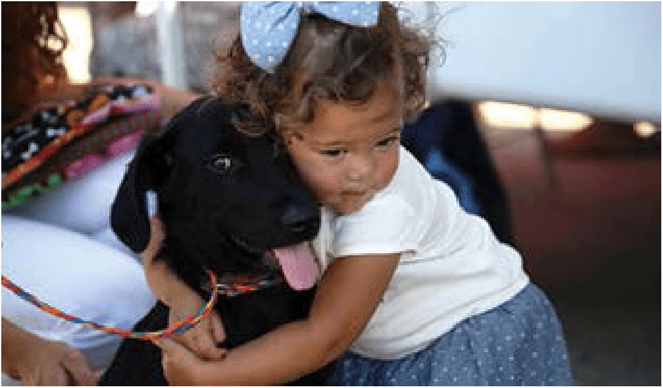
Figure 3.2 HLE officers need to recognize that domestic abuse and animal abuse often occur together.
(Marine Corps photo by Sgt. Valerie Eppler.)
a number of reasons, including fear of being identified for retribution. Animal cruelty is commonly associated with other crimes such as drug trafficking or gambling. Being labeled as a “snitch” could prove dangerous where witness intimidation is commonplace. In some large cities the problem of speaking up is so pervasive that finding witnesses willing to speak to police, let alone testify in court, is next to impossible. The “stop snitching” culture is palpable without being communicated verbally (USDOJ, 2009).
Even veterinarians may hesitate to report possible occurrences. Afraid of disclosing private client information or of violating the trust between practitioner and client, they may remain silent. In addition, some feel that asking questions or interrogating the person bringing the animal for treatment alienates or targets that person, who may be the one person operating as an advocate for the animal. Many veterinarians are also reluctant to provide testimony in animal cruelty cases for several reasons, including fear of retribution, negative press, or a misunderstanding of immunity from liability. However, that attitude is changing, and veterinarians are increasingly realizing that they are an integral link to breaking the cycle of violence and that their expertise is vital to saving the lives of animals and humans alike. Many states have enacted laws requiring veterinarians to report suspected abuse. Other states provide immunity for those veterinarians who report cruelty.
A veterinarian’s testimony can without question make or break a case—when a veterinarian describes the feeling of hundreds of tiny parasites crawling around in an ear canal, feeding on ear wax and leaving thick, black, crusty material behind to block the ear canal and cause extreme itching, discomfort, depression, frustration, and in some cases constant head shaking and tilting—a judge or jury has a much clearer (albeit more repugnant) picture of an ear mite malady and why failure to treat the condition could be serious enough to merit “lack of veterinary care” or neglect charges. A statement from an officer regarding the same condition but phrased as “black discharge in an animal’s ears” most likely would not elicit the same visceral response.

